
Rize Elevator
How to Prepare for a Florida Elevator Inspection: A Complete Guide for Central Florida Property Owners
Why Elevator Inspections Matter in Central Florida
Elevator inspections in Florida aren’t just a legal requirement — they’re a critical safeguard for building safety and compliance. The Florida Building Code and ASME A17.1 regulations mandate regular inspections to ensure equipment is safe, reliable, and up to code.
For property managers and HOAs in Orlando, Tampa, Winter Garden, and across Central Florida, being inspection-ready helps avoid costly fines, delays, or even unexpected elevator shutdowns.
Step 1: Understand Florida’s Elevator Inspection Requirements
In Florida, elevators must undergo routine testing, including:
Annual Safety Inspections – Conducted by a Certified Elevator Inspector (CEI) to confirm compliance with state and national codes.
Five-Year Load Tests – Verifying load capacity and overall system performance.
Category 1 Testing – Annual testing of brakes, door systems, emergency power, and other key safety features.
High-traffic elevators (such as those in hotels, hospitals, and commercial buildings) may require additional testing.
Step 2: Schedule Preventive Maintenance Before the Inspection
Proactive maintenance is the best defense against inspection failures. Before your inspection, ensure:
Elevator Pit is Clean & Dry – Remove dirt, debris, and standing water.
Doors Operate Smoothly – Doors should open and close without hesitation or noise.
Emergency Systems Work – Lights, alarms, and cab communication must function.
Safety Features Are Intact – Brakes, door restrictors, and other mechanisms should be in top condition.
👉 Partnering with a trusted provider like Rize Elevator ensures these items are addressed consistently.
Step 3: Review Required Documentation
Inspectors will request records, so prepare:
Inspection Certificates – Your latest certificate must be posted in the elevator cab.
Maintenance Logs – Documenting service, repairs, and replacements.
Emergency Contacts – Numbers must be clearly posted inside the cab.
Organized documentation speeds up inspections and shows your commitment to safety.
Step 4: Conduct a Pre-Inspection Walkthrough
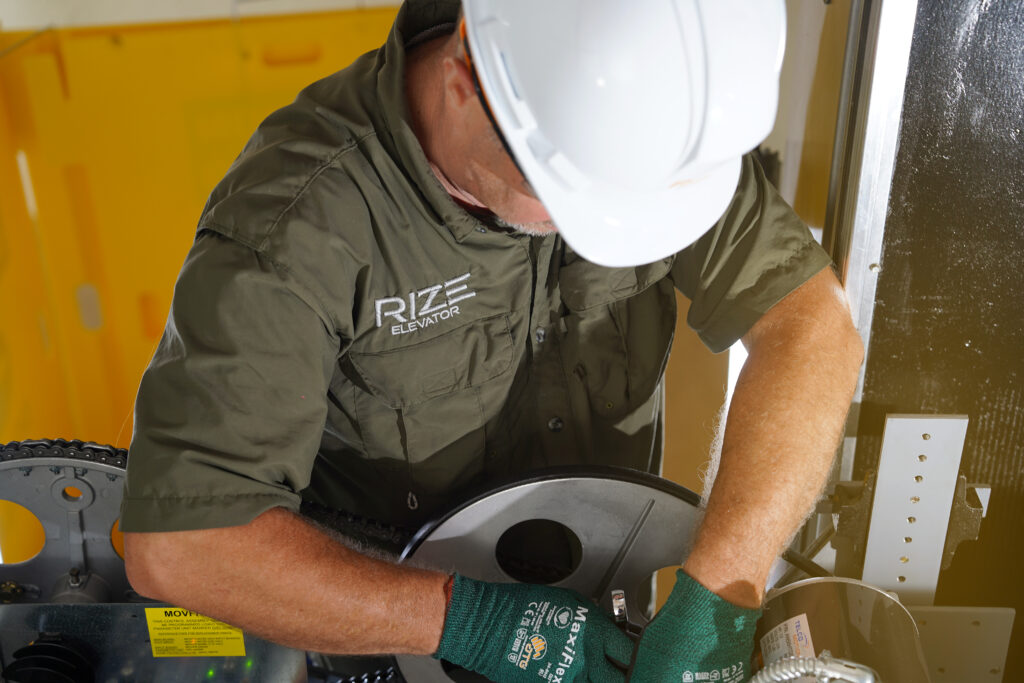
Work with your elevator service provider to identify potential issues before the inspector arrives:
Test Floor Leveling & Door Timing – Ensure smooth operation.
Check Machine Room Conditions – Must be clean, secured, and ventilated.
Verify Fire Safety Features – Firefighter controls, sprinklers, and smoke detectors should be operational.
This step minimizes surprises on inspection day.
Step 5: Partner with a Trusted Elevator Maintenance Provider
An experienced provider like Rize Elevator helps you stay compliant with Florida’s evolving safety standards. Our certified technicians handle:
Comprehensive system assessments
Preventive maintenance and modernization
Documentation and inspection preparation
Guidance on Door Lock Monitoring (DLM) compliance and other updates
Step 6: Schedule Your Inspection in Advance
Florida inspectors often book quickly, especially during high-demand seasons. Avoid last-minute delays by scheduling your Certified Elevator Inspector (CEI) well ahead of time.
Step 7: Be Present During the Inspection
Having a building manager or maintenance provider onsite ensures a smoother process. They can:
Provide documents on the spot
Answer inspector questions
Resolve small issues immediately
Stay Compliant with Rize Elevator
Preparing for a Florida elevator inspection doesn’t have to be overwhelming. With Rize Elevator’s proactive maintenance and compliance expertise, property managers across Orlando, Tampa, Winter Garden, and the Space Coast can keep elevators safe, compliant, and fully operational.
📞 Call Rize Elevator today to schedule an inspection assessment or learn more about our preventative maintenance services.
Request a Consultation
Have questions or need expert elevator services? Contact Rize Elevator today for fast, reliable support and customized solutions for your building’s needs.